Qurbani, also known as Udhiyah in Arabic, refers to the ritual sacrifice of an animal during the Islamic festival of Eid al-Adha. This festival is also known as the “Festival of Sacrifice” and commemorates the willingness of Prophet Ibrahim (Abraham) to sacrifice his son as an act of obedience to Allah. However, Allah provided a ram to sacrifice instead.
Here are key points about Qurbani:
- Purpose and Significance: The primary purpose of Qurbani is to commemorate the obedience and devotion of Prophet Ibrahim. It is a demonstration of self-sacrifice and a reminder of the importance of submitting to the will of Allah.
- Timing: Qurbani takes place during the days of Eid al-Adha, which is the 10th, 11th, and 12th days of the Islamic month of Dhul-Hijjah. The sacrifice is usually performed after the Eid prayer.
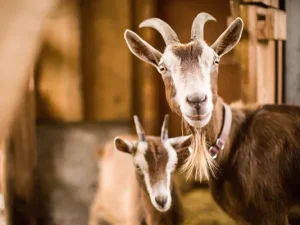
- Types of Animals: The animals commonly used for Qurbani are cattle (such as cows and bulls), sheep, goats, and camels. The specific requirements for each type of animal vary based on factors such as the number of shares in the sacrifice and the eligibility of the animal.
- Distribution of Meat: The meat obtained from the Qurbani is divided into three parts: one-third is given to the needy and less fortunate, one-third is shared with relatives and neighbours, and one-third is retained for the person or family performing the sacrifice.
- Who Should Perform Qurbani: Qurbani is an act of worship recommended for Muslims who meet specific financial criteria. It is not obligatory, but those who can afford to do so are encouraged to participate.
- Conditions for Animals: The animals selected for Qurbani must meet certain criteria, including being in good health and of a specified age. The sacrifice should be performed with respect and care for the animal’s well-being.
- Intentions and Spirituality: Like other acts of worship in Islam, the sincerity of intention (niyyah) is crucial when performing Qurbani. The act is meant to be a symbol of devotion and obedience to Allah.
- Global Practice: Qurbani is practiced by Muslims worldwide, and the distribution of meat to those in need contributes to the welfare of communities during the festive season.
It’s important to note that the specific details and requirements for Qurbani can vary based on cultural practices and regional interpretations within the broader framework of Islamic teachings. Muslims who intend to perform Qurbani usually seek guidance from religious authorities or scholars to ensure that they fulfill the ritual in accordance with Islamic principles.